
The Allure of Risk and Reward
One of the fundamental elements that drive individuals to casinos is the thrill of risk and reward. The brain processes rewards by releasing dopamine, a neurotransmitter closely linked to pleasure. When players gamble, they experience a rush of excitement that comes with the possibility of winning big, especially when they try out games like payid pokies that offer unique experiences. This dopamine release can create a potent feedback loop, encouraging players to take more risks and engage in prolonged gaming sessions, ultimately creating a compelling environment that keeps them coming back. The anticipation of a potential win triggers a psychological response that can become addictive over time, reinforcing the behavior of frequent gambling.
Furthermore, this allure is amplified by the unpredictability of outcomes in casino gaming. Unlike traditional activities where results are more predictable, the element of chance in games like slots, poker, and roulette adds an exhilarating layer of uncertainty. This unpredictability can heighten players’ engagement, leading them to invest more time and money in hopes of hitting that coveted jackpot. The brain’s reward system becomes entrapped in this cycle, perpetuating the desire for more gaming experiences. The thrill of the unexpected can often overshadow the rational assessment of risks, making it easy for players to overlook potential negative consequences.
Additionally, the psychological concept of “variable ratio reinforcement” plays a crucial role in maintaining gambling behavior. In this scenario, players receive rewards after an unpredictable number of attempts, making them more likely to keep playing. The intermittent rewards can be far more enticing than a steady stream of smaller payouts, as the hope for larger wins becomes a significant motivational factor. This psychological dynamic explains why players may continue to gamble even after incurring significant losses. The combination of intermittent rewards and the excitement of potential big wins fosters a cycle of gambling that can be difficult to break.
Social Dynamics and Community Influence
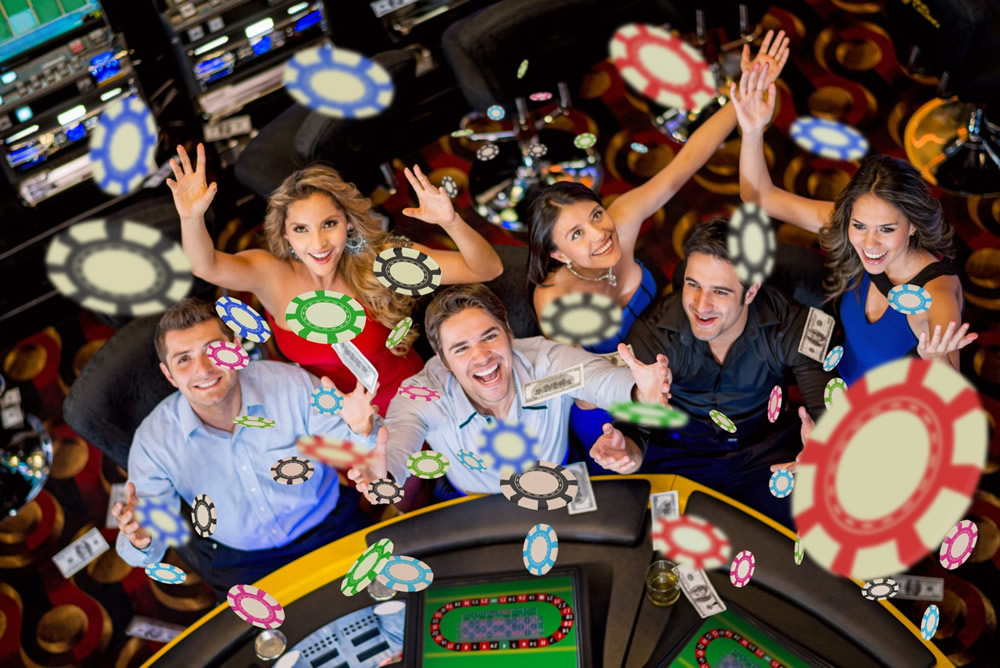
The social environment around casino gaming can significantly impact individual behavior and choices. Casinos are designed to be stimulating social environments where players can interact with others, fostering a sense of community. The presence of fellow gamblers can evoke a shared excitement that enhances the overall gaming experience. Engaging with others not only amplifies the thrill of the game but can also influence decision-making processes, with players often mimicking successful strategies observed in others. This social interaction can create a false sense of security, leading individuals to gamble more than they might otherwise.
Moreover, social norms within the gambling community can create an environment where excessive gaming is normalized. Players may feel pressured to conform to the behaviors of others, leading to increased participation and spending. This shared experience often results in a celebratory atmosphere, where wins are celebrated together, reinforcing a collective mindset that can overshadow the individual’s critical assessment of their gaming activities. The camaraderie found in such spaces can blur the lines between socializing and gambling, further encouraging players to immerse themselves in the experience.

Additionally, peer influences can exacerbate gambling tendencies. If individuals are surrounded by friends or family members who frequently gamble, they are more likely to adopt similar behaviors. This phenomenon is particularly pronounced among younger individuals who might be more susceptible to social pressures. The camaraderie and shared experiences can further entrench gambling as a popular activity within certain social circles, making it challenging for individuals to recognize the potential risks associated with heavy gambling. The community aspect of gaming can create an environment where the stakes feel lower due to shared experiences, potentially leading to harmful patterns.
The Role of Environment in Casino Design
Casino environments are intentionally designed to manipulate players’ perceptions and behavior. From the moment individuals step inside, they are enveloped in a sensory experience characterized by bright lights, vibrant colors, and captivating sounds. These elements are deliberately crafted to create a euphoric atmosphere that entices players to spend more time and money. The absence of clocks and windows within casinos further enhances this effect, allowing players to lose track of time and become immersed in the gaming experience. This sensory overload can lead to overstimulation, making it more challenging for players to make rational decisions about their gambling habits.
Furthermore, the layout of casino floors is strategically designed to maximize player engagement. High-traffic areas often feature popular games and slot machines to draw in crowds, while less popular games are placed in more secluded areas. This setup encourages players to move about the casino, encountering new gaming opportunities as they navigate the space. The thrill of discovering new games can extend playtime, allowing for greater expenditures in the process. The design of the casino acts as a subtle nudge towards continuous play, keeping the excitement alive and players engaged longer than they may have intended.
Another psychological aspect of casino design is the use of “near misses” and visually appealing jackpots, which can mislead players into thinking they are closer to winning than they actually are. For instance, when a player spins a slot machine and narrowly misses a win, it can trigger an emotional response that encourages them to keep playing. This tactic plays on cognitive biases and reinforces the belief that success is just around the corner, a concept that casinos capitalize on to encourage continued play. By creating an environment where players feel they are on the verge of winning, casinos can maintain their interest and investment, often leading to significant gambling sessions.
Cognitive Biases and Gambling Behavior
Cognitive biases significantly impact how players engage with casino gaming. One common bias is the “gambler’s fallacy,” which refers to the belief that past events can influence future outcomes in random games. For example, after a series of losses, a player may feel that they are “due” for a win, leading them to continue gambling. This misconception can result in chasing losses and ultimately escalating their gambling habits, as players ignore the inherent randomness of games. The gambler’s fallacy can create a false narrative of control, making players more likely to gamble even when the odds are against them.
Additionally, confirmation bias plays a role in how players interpret their experiences. Gamblers tend to focus on wins while downplaying losses, reinforcing the notion that they have a strategy that is effective. This selective memory can fuel a player’s desire to continue gambling, as they remember the highs while forgetting the lows. Such biases can create a distorted view of their gambling success, contributing to problematic gambling patterns over time. The reinforcement of positive experiences, despite the reality of losses, can create a cycle that is difficult for players to break.
The impact of emotional factors also cannot be overlooked in understanding gambling behavior. Players often gamble to cope with stress, boredom, or negative emotions. This escapism can lead them to seek out gaming experiences even when they are aware of the dangers associated with excessive gambling. Emotional gambling is particularly concerning as players may rely on the thrill of the game to distract themselves from real-life challenges, further entrenching them in compulsive behaviors. The interplay of emotions and cognitive biases can create a dangerous combination, leading to a cycle of gambling that is difficult to escape.
About Our Insights into Casino Psychology
At our website, we delve into the intricate relationship between psychology and casino gaming. Our goal is to provide readers with a comprehensive understanding of the motivations, behaviors, and cognitive biases that underlie gambling practices. By exploring the psychological aspects of gaming, we aim to empower individuals with knowledge that can inform their choices and promote responsible gambling habits. Our content is carefully researched and crafted to ensure that readers can engage with the material meaningfully.
We recognize the complexities associated with casino gaming, not only from the perspective of entertainment but also in understanding potential risks. By analyzing various psychological components, we equip our audience with insights that help them navigate the gaming landscape. Whether you’re a casual player or a seasoned enthusiast, our content offers valuable information designed to enhance your awareness and foster a healthy relationship with gaming. We prioritize a balanced view that considers both the excitement and the potential pitfalls of gambling.
Ultimately, we believe that informed players make better choices. Our commitment to exploring the psychology behind casino gaming is driven by a desire to advocate for responsible gaming practices and provide resources for those seeking help. Through awareness and understanding, we hope to contribute positively to the conversation surrounding gambling behaviors and the impacts they can have on individuals and communities alike. By engaging with our content, readers can better understand their gaming habits and make more informed decisions regarding their participation in casino gaming.